- News
- How to Advocate for Disability Rights in Your Community
- RCIL News
How to Advocate for Disability Rights in Your Community
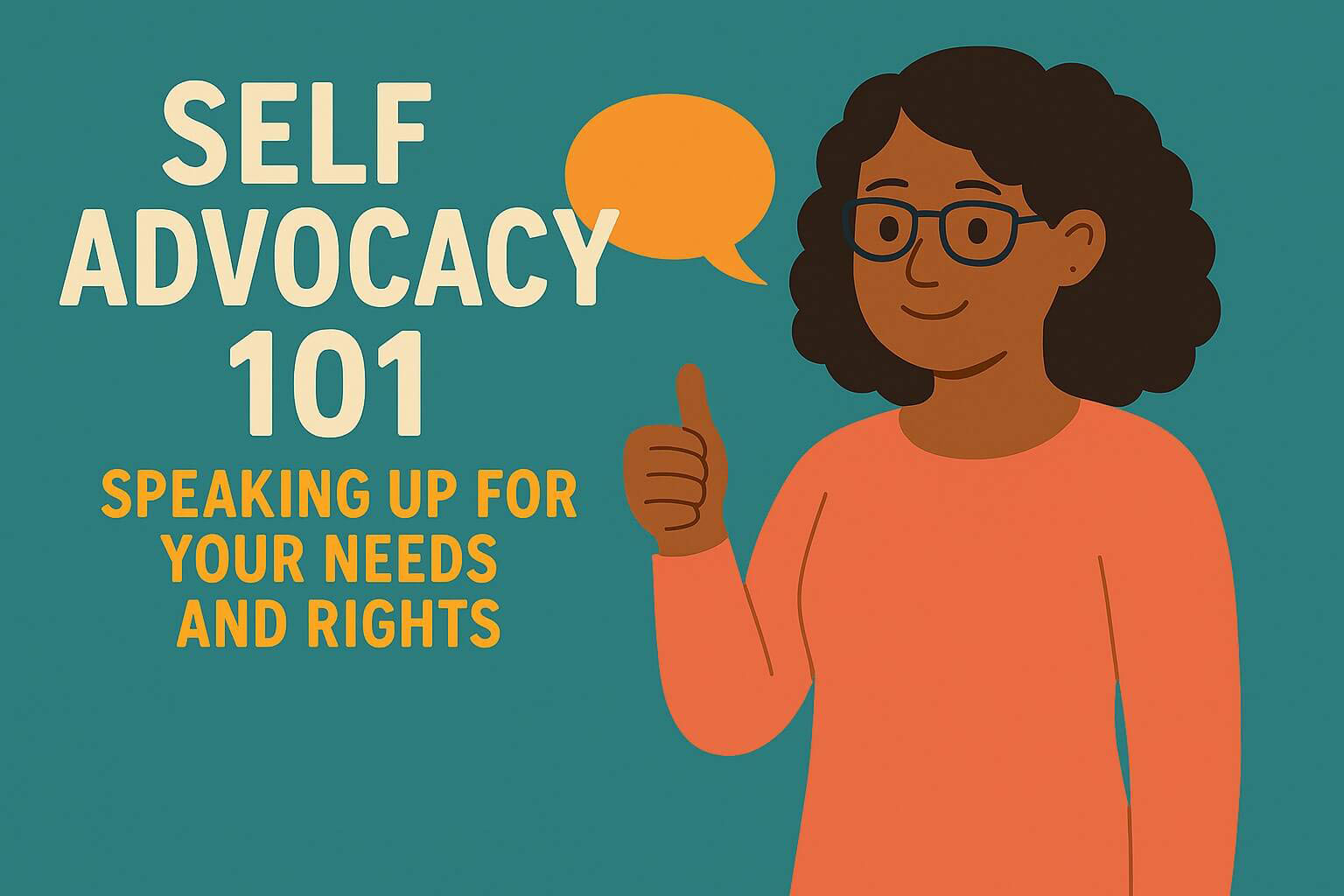
Advocacy begins with one person choosing to speak up, share their story, or ask an important question. Every voice has the power to influence how accessible, inclusive, and equitable a community can be. At RCIL, we believe that advocacy is not only about changing systems—it’s about empowering individuals to take meaningful steps that protect rights, expand opportunities, and strengthen belonging for people with disabilities.
Whether you’re advocating for yourself or standing alongside others, here are practical ways to make a real difference right where you live.
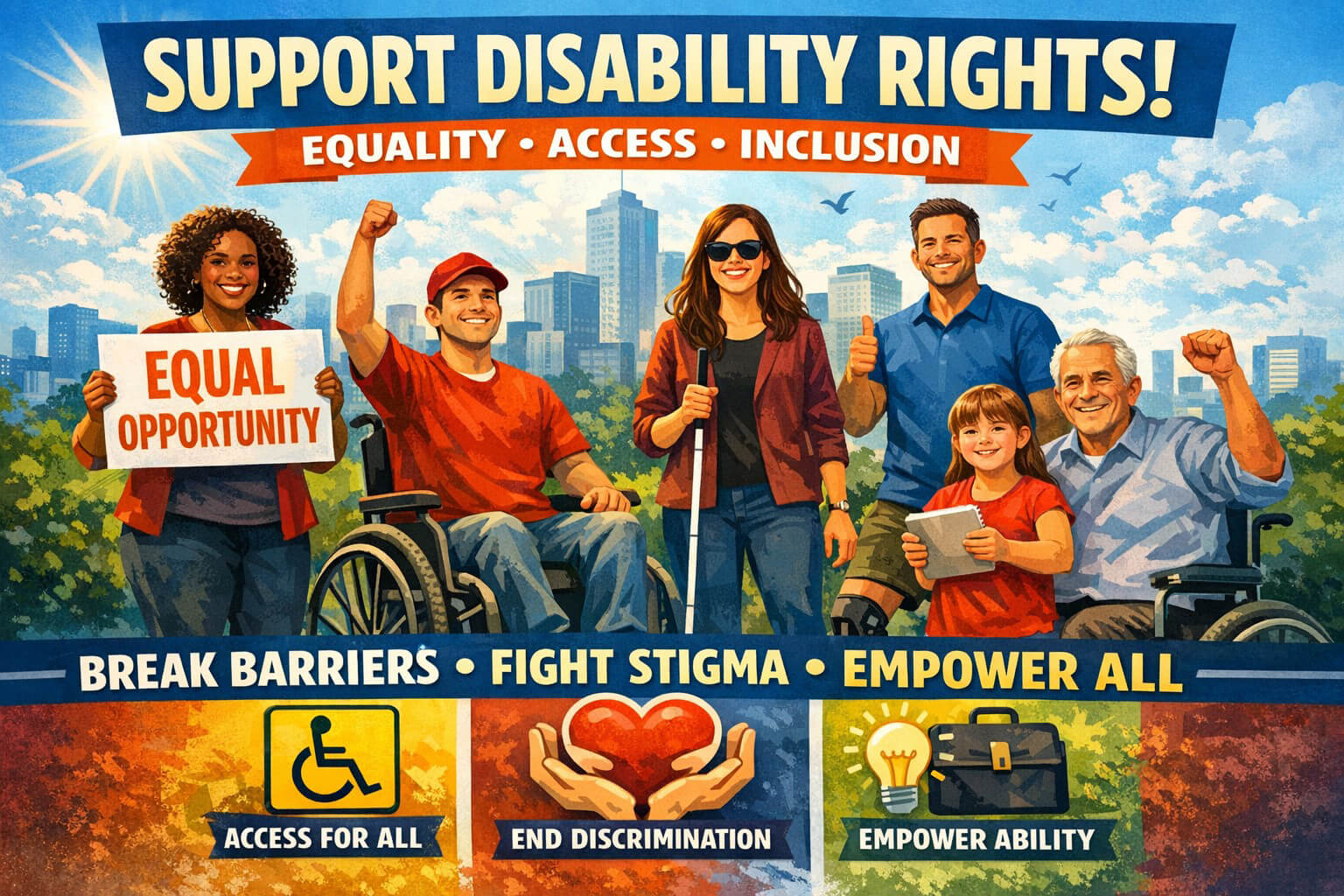
Advocating for disability rights doesn’t always require grand gestures—sometimes, the most meaningful change begins with everyday conversations, community involvement, and sharing your lived experience. Whether you’re a person with a disability, a family member, a caregiver, or an ally, your voice matters. At RCIL, we believe that advocacy is a powerful tool for expanding accessibility, strengthening inclusion, and ensuring that everyone can live independently with dignity in the community they choose.
Here are a few practical and effective ways to advocate for disability rights where you live.
1. Start With Your Story
Voicing your personal experiences can be one of the most powerful tools for raising awareness. Sharing what accessibility, independence, or support services mean to you helps others understand the real-world impact of disability rights.
Ways to share your story:
- Share your story on RCIL’s Facebook, Instagram or LinkedIn page. We can help spread the word about your story. Be sure to tag us!
- Participate in community forums, town hall meetings, or listening sessions. Ask questions about the issues that matter most to you. Chances are, if you’re facing a challenge, so are others.
People connect with stories—your voice can inspire understanding and action.
2. Learn Your Rights Under the ADA
The Americans with Disabilities Act (ADA) protects the rights of people with disabilities in employment, transportation, public access, communication, and more. Knowing your rights makes it easier to speak up when something isn’t accessible.
Key areas to understand:
- Reasonable accommodations
- Accessible public spaces and businesses
- Effective communication requirements
- Employment protections
RCIL can help individuals navigate ADA questions and understand what steps to take if you face discrimination.
3. Get Involved With Local Organizations
Community change happens faster when people work together. Joining or partnering with local disability-focused groups—like RCIL’s programs and peer support networks—helps amplify your voice and connect you with others who share your goals.
Engage by:
- Attending workshops or advocacy trainings and participate in committees
- Volunteering at disability events and resource fairs
Community involvement builds stronger, more informed advocacy efforts. And remember, RCIL is YOUR local nonprofit serving people with disabilities. We’re here to serve YOU, and we can’t wait to connect with you!
4. Speak Up About Accessibility in Your Community
Sometimes barriers are overlooked simply because no one has pointed them out. Advocating for accessibility improvements—big or small—helps make your community more welcoming for everyone.
You can advocate by:
- Reporting physical barriers such as broken ramps or inaccessible sidewalks
- Asking local businesses to improve accessibility (automatic doors, clear aisles, better signage)
Accessibility benefits everyone—not just people with disabilities. Ever take advantage of a curb cut even though you’re not using a mobility device? That’s the impact of accessibility.
5. Educate Others
Many barriers exist because of misunderstandings, assumptions, or lack of awareness. When you take the time to educate others, you help create a more inclusive culture.
Ways to educate:
- Share disability etiquette tips
- Promote the use of respectful, person-first, or identity-affirming language
- Encourage others to think about accessibility and inclusion
A more informed community is a more accessible one.
6. Support Disability Rights Legislation
Laws and policies shape how accessible and equitable our communities are. Staying informed about disability-related policies at the local, state, and federal levels allows you to advocate for real, lasting change.
You can:
- Contact elected representatives
- Attend public hearings
- Sign petitions or support advocacy campaigns
Policy advocacy is a crucial part of protecting and expanding disability rights.
7. Connect With Peer Support
Advocacy can be easier and more empowering when you’re supported by others who have lived experience. Peer support programs—like the ones offered at RCIL—create safe spaces to share challenges, celebrate successes, and build confidence.
Peer networks can help you:
- Learn advocacy strategies
- Navigate challenges with confidence
- Gain encouragement from people who “get it”
- Build long-term skills for independence
You don’t have to advocate alone. We’re here for each other.
RCIL Is Here to Support You
Whether you’re just beginning your advocacy journey or looking to deepen your involvement, RCIL is here to help. We offer resources, training, peer support, and guidance to empower people with disabilities to speak up, take action, and shape a more accessible future.
Every voice matters. Every story matters. And together, we can build communities where everyone can live independently with choice, freedom, and dignity.
If you’d like help getting started or want to learn more about advocacy programs, reach out to RCIL—we’re here for you.