- News
- Self‑Advocacy 101: Speaking Up for Your Needs and Rights
- RCIL News
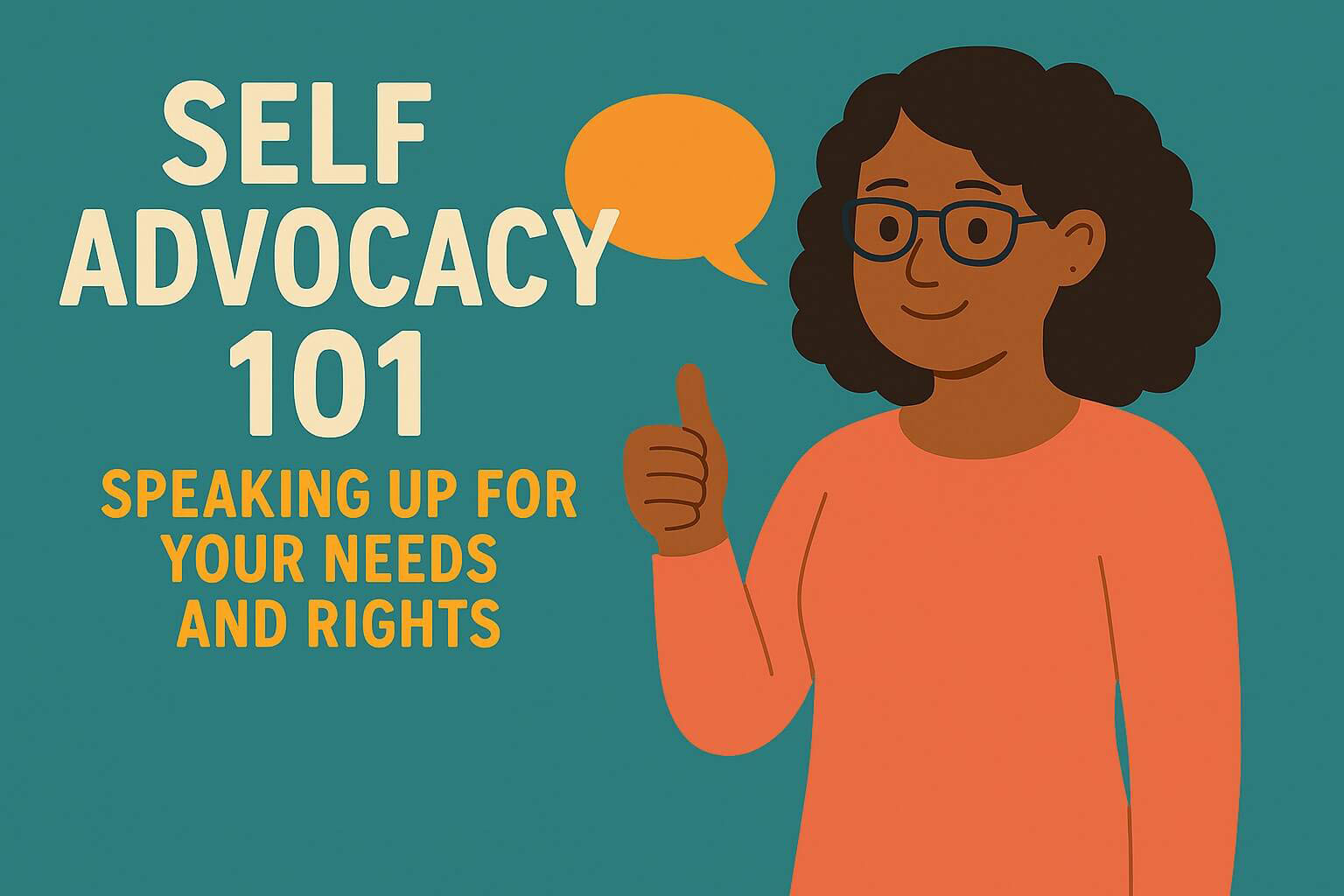
Self‑Advocacy 101: Speaking Up for Your Needs and Rights
Knowing what you need is powerful — but knowing how to speak up for those needs is life‑changing. Self‑advocacy is about understanding your rights, expressing your goals, and taking an active role in decisions that affect your life. Whether you’re new to the idea or looking to strengthen your voice, Self‑Advocacy can give you the tools, confidence, and strategies to be heard. This session can help you build the skills to communicate clearly, make informed choices, and stand up for yourself in any setting.
At RCIL, we believe that every person has the right to direct their own life. You know yourself best. Whether you’re navigating school, work, healthcare, housing, or community supports, one of the most powerful skills you can build is self‑advocacy—the ability to speak up for what you need, understand your rights, and make informed choices about your future.
Self‑advocacy is about knowing your voice matters and learning how to use it confidently.
What Is Self‑Advocacy?
Self‑advocacy means:
- Understanding your needs, goals, strengths, and challenges
- Knowing your rights and the options available to you
- Communicating clearly about what you want
- Asking questions when something isn’t clear
- Making your own choices—big or small
For many people with disabilities, becoming a strong self‑advocate is a key part of living independently and participating fully in the community. RCIL’s services are built around the belief that you are the expert on your own life. We invite you to use that expertise to self-advocate!
Why Self‑Advocacy Matters
Self‑advocacy empowers you to:
1. Take Control of Your Life
Whether you're making decisions about healthcare, education, or daily supports, self‑advocacy ensures those decisions reflect your values and goals—not someone else’s.
2. Access the Supports You Need
Services and accommodations often require you to explain what works best for you. Your voice makes that possible.
3. Build Confidence and Independence
The more you practice speaking up, the more confidence you gain in setting boundaries, asking for help, and pursuing your goals.
4. Reduce Misunderstandings
Clear communication leads to better outcomes—at school, at work, and in everyday interactions.
How to Advocate for Yourself: Practical Tips
Self‑advocacy grows with practice. Here are some simple ways to get started:
1. Think about:
- What supports help you succeed?
- What situations are challenging?
- What goals are important to you?
Understanding your needs makes it easier to explain them to others.
2. Learn Your Rights
Laws such as the Americans with Disabilities Act (ADA), the Fair Housing Act, the Individuals with Disabilities Education Act (IDEA), and the Rehabilitation Act of 1973 protect your right to equal access and reasonable accommodations. RCIL can help you understand how these laws apply to your life.
3. Try using simple phrases:
- “I need this accommodation because…”
- “I prefer to communicate in this way…”
- “Can you explain that in a different way?”
- “This isn’t working for me. Let’s try another approach.”
4. Bring Notes or Support
Self-advocacy doesn’t always mean advocating alone. Write down questions, bring a friend, or ask an RCIL advocate to help you prepare.
5. Ask Questions—Always
You have the right to ask:
- What are my options?
- What are the next steps?
- What choices do I have?
How RCIL Supports Self‑Advocacy
Self‑advocacy is a core part of RCIL’s mission. We can help you:
We walk beside you—not in front of you—because independence looks different for everyone, and every person deserves a voice in the choices that shape their life.
You Deserve to Be Heard
Speaking up takes courage, but you don’t have to do it alone. At RCIL, we’re here to help you build the confidence, skills, and knowledge to advocate for yourself with clarity and strength.
To learn more about RCIL’s programs, services, and advocacy support, visit www.rcil.com or call us anytime. Our team of real people can’t wait to help you self-advocate.