- News
- Complete Guide to Self Direction & OPWDD Services
- RCIL News
Complete Guide to Self Direction & OPWDD Services
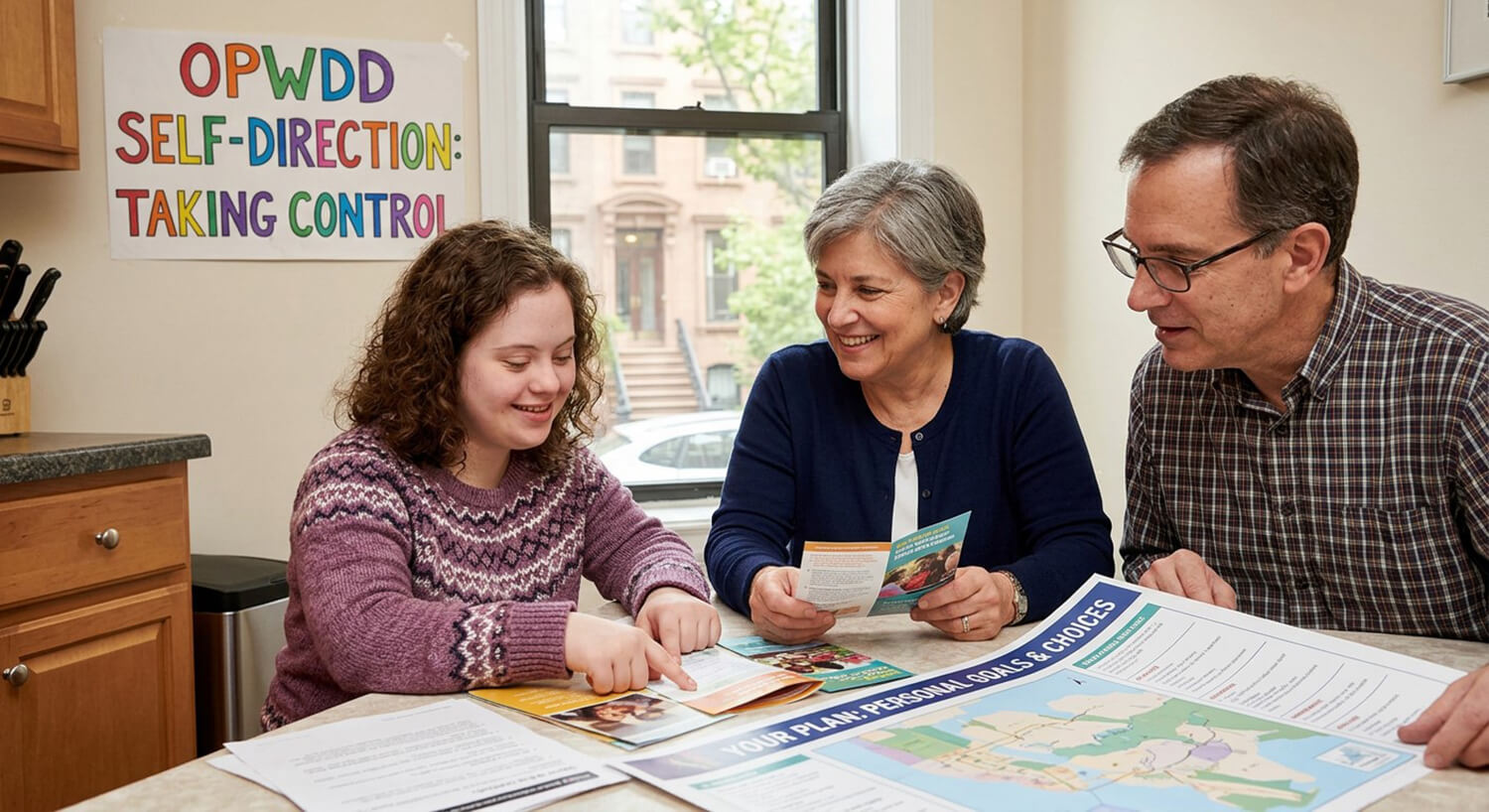
For individuals with developmental disabilities and their families, navigating New York's support system can feel overwhelming. Understanding your options is the first step toward creating a life built around personal goals, independence, and choices.
One of the most flexible OPWDD services available in New York State is Self-Direction, which allows individuals to take greater control over the support they receive, who provides it, and how services fit into their daily lives.
What Is OPWDD?
The New York State Office for People with Developmental Disabilities (OPWDD) provides services and supports for individuals with developmental disabilities, helping them live, work, and participate in their communities. Through a variety of programs, OPWDD assists individuals and families in accessing resources that promote independence, health, safety, and quality of life.
One of the most person-centered options available through OPWDD is Self-Direction, which gives individuals choices and control over how their services are delivered.
What Is Self-Direction?
Self-Direction is an OPWDD service that empowers individuals to customize their support based on their unique goals, strengths, interests, and needs. Rather than relying solely on traditional agency-managed services, participants can make their own decisions about the services they receive and the staff who provide them.
Self-Direction is built on the belief that people with disabilities should have the opportunity to direct their own lives and determine what success looks like for them. Whether the goal is independent living, community involvement, social participation, or employment, Self-Direction allows support to be tailored around the individual.
Benefits of Self-Direction
Self-Direction offers a level of flexibility that traditional service models often cannot provide.
Participants may be able to:
- Increase independence and self-determination.
- Access community-based activities
- Choose services that align with personal goals.
- Build stronger social connections.
- Hire and supervise their own support staff.
- Create individualized schedules.
- Develop employment and educational opportunities.
For many individuals and families, Self-Direction creates opportunities to design support around real-life needs instead of fitting into a pre-established program structure.
Understanding Budget Authority
Budget Authority gives participants control over how funding is allocated within their approved OPWDD Self-Direction budget. Individuals can decide which OPWDD approved services best meet their needs and priorities.
This flexibility allows participants to design a support plan that reflects their lifestyle, personal goals, and long-term vision for independence.
Understanding Employer Authority
Employer Authority allows participants to take an active role in recruiting, hiring, training, scheduling, and supervising the staff who provide their support. Participants can determine how support is delivered and select caregivers who best match their needs and goals.
This approach can provide greater consistency, flexibility, and personalization while encouraging stronger relationships between participants and their support teams.
What Is a Support Broker?
A Support Broker plays an essential role in helping individuals successfully navigate Self-Direction.
- Support Brokers may assist with:
- Building a Circle of Support.
- Creating and managing budgets.
- Developing person-centered plans.
- Monitoring progress towards goals.
- Identifying community resources.
Educating participants on self-direction responsibilities.
A Support Broker is like a guide who helps transform an individual's vision into a workable and sustainable plan.
RCIL also provides Support Broker resources to help brokers access important information, forms, and tools.
What Is a Fiscal Intermediary (FI)?
A Fiscal Intermediary (FI) provides the administrative support necessary to manage a Self-Direction budget.
Fiscal Intermediary may assist with:
- Reimbursements and billing. Reimbursement for an approved item or service under your approved budget.
- Inquires on approvable services.
- Review budget submissions.
- Financial reporting.
- Medicaid compliance.
- Assisting with onboarding Direct Support Professionals (DSP).
- Payroll processing for DSP.
- Administrative support for DSP.
The FI serves as the employer of record for self-hired staff while helping participants maintain compliance with OPWDD requirements.
Current participants and families can also access Self-Direction participant resources, including forms, FAQs, budget information, payroll guidance, and reimbursement information.
What is a Care Manager (CM)?
A Care Manager is a professional coordinator who helps individuals with developmental disabilities navigate state and Medicaid requirements, confirm eligibility, and build a person-centered care plan, called a Life Plan.
Care Manager may assist with:
- Assessing individual needs.
- Creating personalized person-centered Life Plan.
- Monitoring health and safety.
- Addressing concerns with the participants’ needs.
- Documenting meetings, changes, or important updates.
- Making referrals or connecting the participant with additional services if needed.
- Ensures that the participant is Medicaid eligible.
What Is a Circle of Support?
A Circle of Support is a team of people who assist participants achieve their goals and ensure their services remain aligned with their needs.
Members may include:
- Family members.
- Friends.
- Care Managers.
- Support Brokers.
- Direct Support Professionals (self-hired staff).
- Community advocates.
- FI.
This collaborative approach helps create a strong foundation for meaningful community inclusion and long-term success.
Who Is Eligible for OPWDD Self-Direction in New York?
To participate in Self-Direction, individuals generally must:
- Be enrolled in Medicaid.
- Be eligible for OPWDD services.
- Complete the OPWDD Front Door process.
- Have a Care Manager
- Participate in the Home and Community-Based Services (HCBS) Waiver program when required for certain self-directed services.
Eligibility requirements can vary based on individual circumstances, so working with OPWDD and experienced service providers for initial and ongoing eligibility is important.
How RCIL Supports Self-Direction
RCIL is committed to helping individuals and families successfully navigate the Self-Direction process. Through its Fiscal Intermediary services and individualized support, RCIL helps participants manage budgets, process payroll for DSP, coordinate services, and maximize the flexibility that Self-Direction provides.
RCIL also offers Self-Direction services for youth and families focused on building independence, choice, and community involvement.
RCIL's approach focuses on empowering individuals to:
- Exercise greater choices.
- Build their own support teams.
- Manage self-directed services with confidence.
- Access community opportunities.
- Achieve meaningful personal goals.
- Live more independently within their communities
How to Get Started with OPWDD Self-Direction
Beginning the Self-Direction journey may seem complex, but breaking it into steps can help:
- Being Medicaid eligible.
- Complete the OPWDD eligibility and Front Door process.
- Connect with a Care Manager.
- Learn about Self-Direction options.
- Build your Circle of Support.
- Select a Support Broker.
- Select a Fiscal Intermediary.
- Develop a person-centered plan and budget.
- Begin implementing your customized services and supports.
Final Thoughts
Self-Direction represents a powerful shift toward person-centered care, offering individuals with developmental disabilities more freedom, flexibility, and control over their lives. By allowing participants to choose their supports, hire staff, manage budgets, and pursue personal goals, Self-Direction creates opportunities for greater independence and meaningful community participation.
At RCIL, we believe every individual deserves the opportunity to build a life that reflects their goals, preferences, and dreams. If you are interested in learning more about Self-Direction or OPWDD services, our team is here to help guide you every step of the way.