- News
- Why Accessibility Is a Human Right: Breaking Down Barriers…
- RCIL News
Why Accessibility Is a Human Right: Breaking Down Barriers in Public Spaces and Online
Accessibility helps individuals with disabilities participate fully and independently in everyday life. Whether entering a building, navigating a website, or accessing information, removing physical and digital barriers helps create more inclusive communities with equal opportunities for everyone.
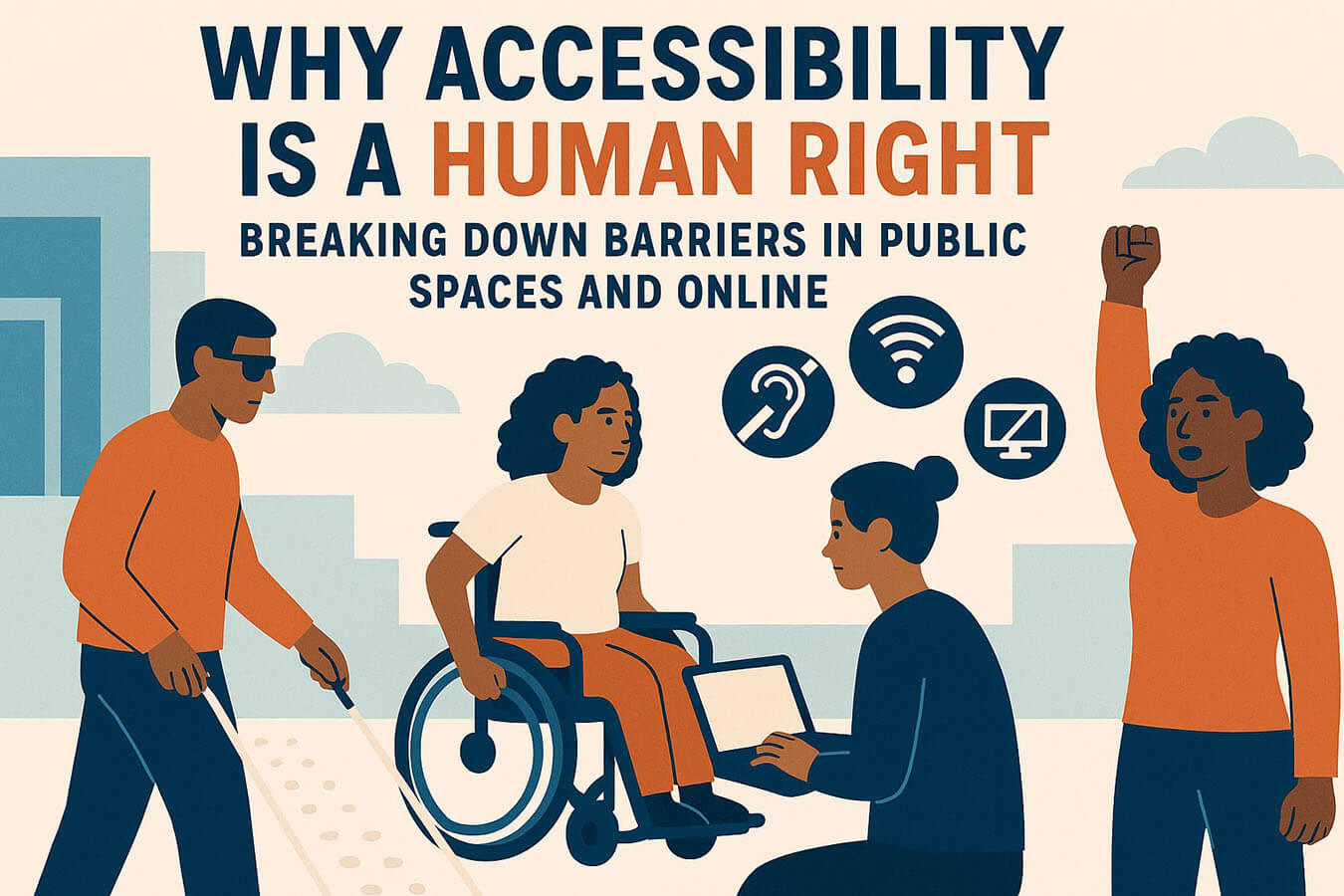
Why Accessibility Is a Human Right: Breaking Down Barriers in Public Spaces and Online
Accessibility helps individuals with disabilities participate fully and independently in everyday life. Whether entering a building, navigating a website, or accessing information, removing physical and digital barriers helps create more inclusive communities with equal opportunities for everyone.
Accessibility is more than a convenience. It is an essential part of ensuring individuals with disabilities have equal access to the places, information, services, and opportunities that shape daily life.
What Does Accessibility Mean?
Accessibility means designing spaces, services, technology, and information so they can be used by individuals with a wide range of abilities.
This includes physical accessibility in buildings and public spaces, digital accessibility on websites and apps, accessible transportation, and communication options such as captions, interpreters, and alternative formats.
When accessibility is considered from the beginning, it helps remove barriers and creates greater independence, choice, and participation.
Physical Accessibility in Public Spaces
Accessible public spaces allow individuals with disabilities to participate more fully in work, education, recreation, and community life.
Common accessibility features can include:
- Accessible entrances and ramps that provide barrier-free access to buildings.
- Elevators and lifts that make multiple levels accessible.
- Accessible restrooms with appropriate space, fixtures, and support features.
- Clear pathways that allow individuals to move safely through a space.
- Accessible parking located near accessible entrances.
- Tactile and accessible signage that helps individuals navigate independently.
Accessibility also means considering how individuals move through and use a space. Thoughtful design can make businesses, workplaces, schools, healthcare facilities, recreational spaces, and other community locations more welcoming and usable for everyone.
Digital Accessibility and Online Access
Accessibility also extends to websites, apps, documents, videos, and other digital content.
Common digital accessibility features include:
- Alternative text for images so visual content can be understood with assistive technology.
- Captions and transcripts for video and audio content.
- Keyboard navigation for individuals who cannot use a mouse.
- Accessible online forms with clear labels and instructions.
- Readable content with clear headings, structure, and sufficient contrast.
- Clear navigation that makes information easier to find and understand.
The Web Content Accessibility Guidelines (WCAG) provide standards for improving digital accessibility and making online experiences more usable for individuals with different accessibility needs.
As more everyday activities move online, from applying for jobs to accessing healthcare and government services, digital accessibility continues to be an important part of equal participation.
Why Accessibility Matters for Individuals with Disabilities
Accessibility promotes independence by helping individuals participate in their communities with fewer barriers. It can provide greater access to education, employment, healthcare, transportation, housing, recreation, and essential services.
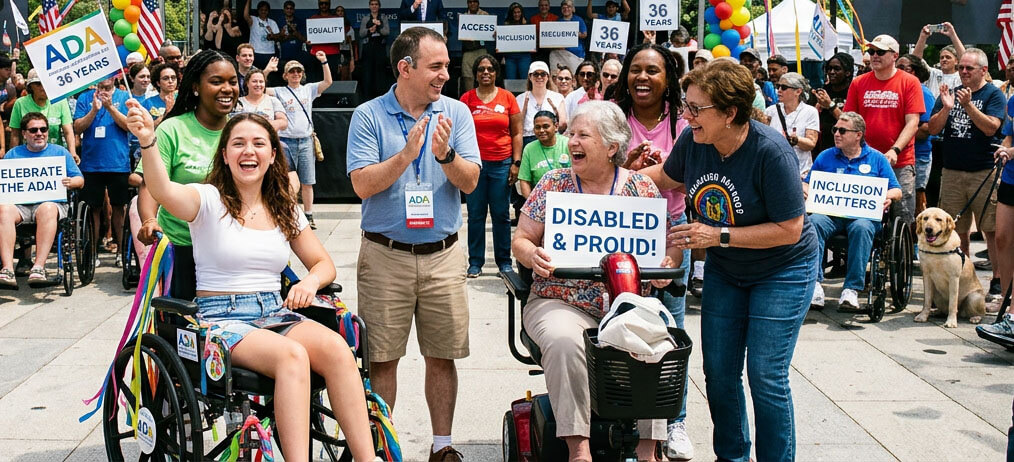
Accessibility is also closely connected to civil rights. The Americans with Disabilities Act (ADA) prohibits disability discrimination and establishes protections that help promote equal access and participation.
Removing accessibility barriers benefits more than individuals with disabilities. Accessible spaces and technology can also support older adults, parents with strollers, individuals recovering from injuries, and others with temporary or changing accessibility needs.
How RCIL Supports Accessibility and Disability Rights
RCIL works to remove barriers and promote greater independence, inclusion, and equal access for individuals with disabilities.
Through disability rights and advocacy, education, and community support, RCIL helps individuals understand their rights, access resources, and participate more fully in their communities.
Accessibility is also an important part of independent living, helping individuals have greater choice and control over where and how they live, work, and participate in their communities.
By advocating for accessible environments, services, and opportunities, RCIL works toward communities where individuals with disabilities can participate fully and independently.
How You Can Help Create More Accessible Communities
Everyone can play a role in improving accessibility and inclusion.
- Learn about accessibility and the barriers individuals with disabilities may experience.
- Consider accessibility from the beginning when planning events, creating content, or designing spaces.
- Make digital content accessible by including captions, alternative text, clear structure, and other accessibility features.
- Support accessible organizations and businesses that prioritize inclusion and equal access.
- Speak up about barriers when you encounter inaccessible physical or digital environments.
- Listen to individuals with disabilities and include their perspectives when making decisions about accessibility.
Events such as the International Day of Persons with Disabilities also provide opportunities to raise awareness about accessibility, inclusion, and equal participation.
Accessibility should not be an afterthought. By identifying and removing barriers, we can help create communities where individuals with disabilities have greater access, independence, choice, and opportunity.