- News
- Autism Acceptance Month: Embracing Neurodiversity and…
- Independent Living Resources
Autism Acceptance Month: Embracing Neurodiversity and Promoting Inclusion
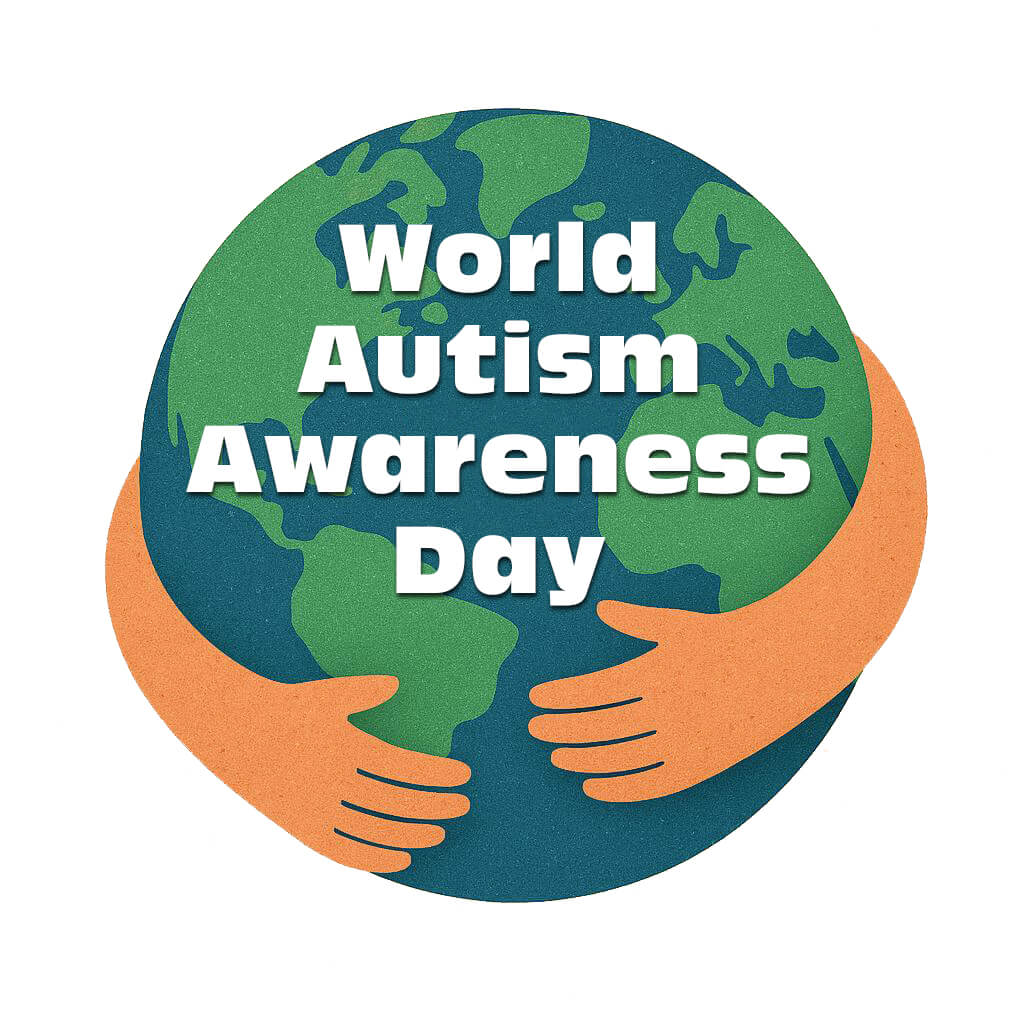
Every April, Autism Acceptance Month invites us to go beyond awareness and take meaningful steps toward understanding, equity, and inclusion for autistic individuals. At RCIL, we believe that disability is a natural part of the human experience and autism is an important and valuable expression of neurodiversity.
Acceptance means recognizing autistic people as whole individuals with unique strengths, perspectives, and support needs. It means listening to autistic voices, respecting self‑advocacy, and working together to remove barriers that limit opportunity and independence.
From Awareness to Acceptance
Awareness tells us that autism exists. Acceptance challenges us to ask deeper questions:
How can our communities be more accessible?
Are we creating environments where autistic people are respected, supported, and empowered to live independently?
Autism acceptance shifts the focus away from “fixing” individuals and toward changing systems. Barriers often exist not because of autism itself, but because society is not designed with neurodiversity in mind. Instead of fixing individuals, we want to fix the systems that exclude or stigmatize others. Sensory‑friendly spaces, flexible communication methods, inclusive employment practices, and community understanding can make a life‑changing difference.
Centering Autistic Voices
A critical part of acceptance is listening to autistic people and honoring their lived experiences. Autistic self‑advocates have long emphasized the importance of self‑determination, the right to make choices about one’s own life, supports, and goals.
At RCIL, we support the principles of Independent Living, which emphasize consumer control, peer support, and equal access. These values align closely with the goals of the autism self‑advocacy movement, which calls for respect, autonomy, and meaningful inclusion in all areas of life.
Inclusion Is an Ongoing Commitment
Acceptance is not a one‑month commitment. It’s a year‑round practice. True inclusion shows up in classrooms, workplaces, healthcare settings, public spaces, and community organizations. Acceptance looks like:
- Valuing different communication styles
- Offering flexibility instead of rigid expectations
- Providing accommodations without judgment
- Challenging stereotypes and misinformation
- When communities are inclusive of autistic people, everyone benefits. Neurodiversity brings innovation, creativity, and new ways of thinking that enrich our society as a whole.
How You Can Support Autism Acceptance
Whether you are a family member, educator, employer, service provider, or community member, you can play a role in fostering acceptance:
- Use respectful, person‑preferred language
- Advocate for accessibility in your workplace and community
- Support inclusive policies and practices
- Challenge stigma when you encounter it
- Small actions taken consistently can lead to meaningful change.
RCIL’s Commitment
RCIL remains committed to promoting independence, access, and dignity for people with disabilities, including autistic individuals. We believe in a community where everyone has the opportunity to live a self‑directed life, participate fully, and be valued for who they are.
This Autism Acceptance Month, we encourage our community to reflect, learn, and take action. Together, we can build a more inclusive world—one that recognizes autism not as something to be “accepted despite,” but as an integral and respected part of human diversity.