- News
- Global Accessibility Awareness Day: Building a More…
- RCIL News
Global Accessibility Awareness Day: Building a More Inclusive Digital World
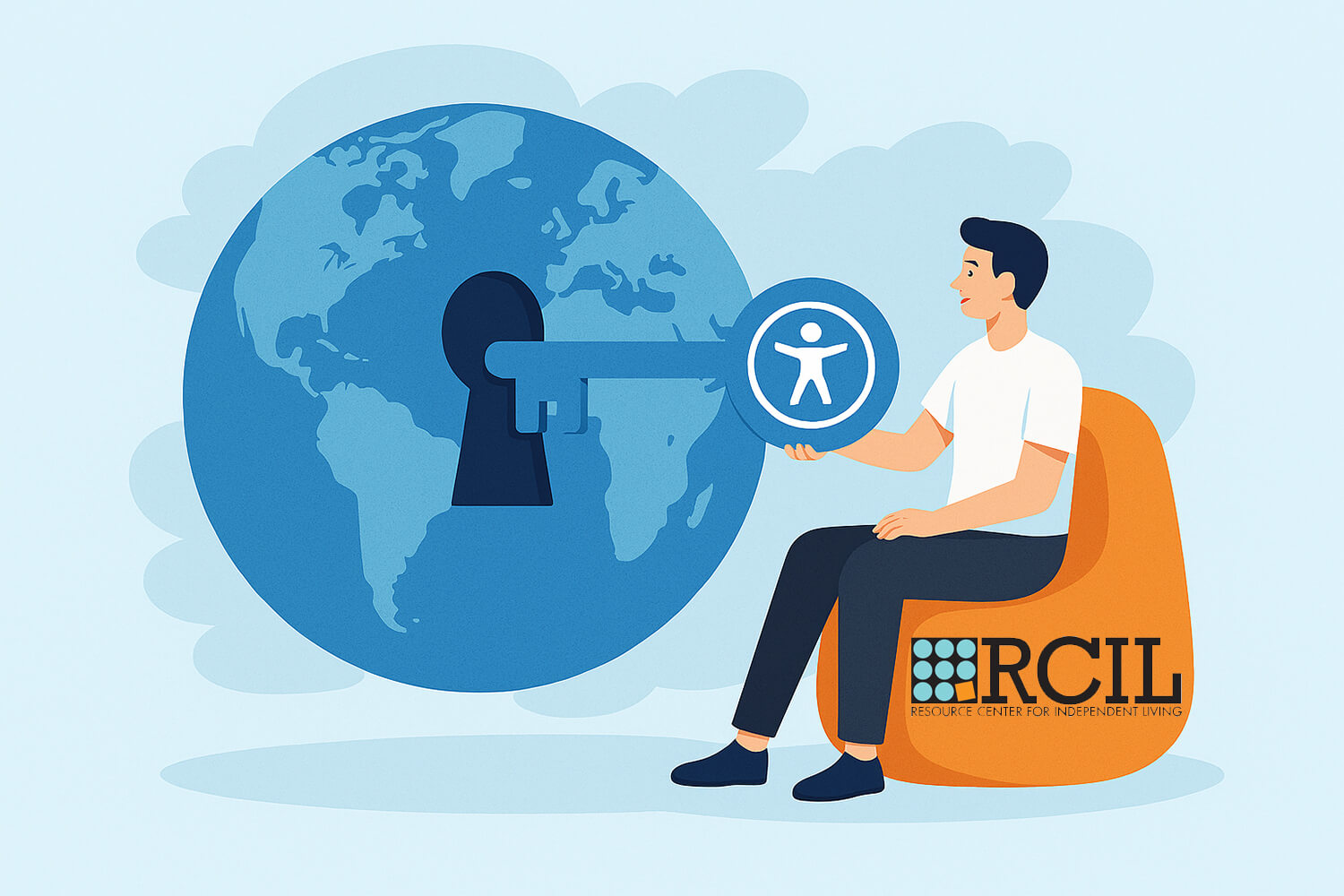
Every year on the third Thursday in May, organizations such as RCIL and individuals around the world come together to recognize Global Accessibility Awareness Day (GAAD)—a movement dedicated to improving digital access and inclusion for people with disabilities. Because our society is more digital than ever, digital accessibility is essential for achieving a truly barrier-free world. At RCIL, this day is more than a moment of awareness; it’s a call to action that aligns with our commitment to equity, inclusion, and independence.
Why Accessibility Matters
More than one billion people worldwide live with some form of disability. For many, the digital world—websites, applications, documents, and tools—can either be a gateway to opportunity or a barrier that limits participation.
Digital accessibility ensures that everyone, regardless of physical, sensory, or cognitive ability, can:
- Navigate websites and platforms
- Consume content easily
- Participate in online interactions
- Perform essential tasks independently
From a business perspective, accessibility is not just ethical—it’s essential. Inclusive digital experiences:
- Expand your audience reach
- Strengthen customer loyalty
- Improve usability for all users
- Support regulatory compliance
Simply put, when we design for accessibility, we design better experiences for everyone.
What Global Accessibility Awareness Day Represents
GAAD encourages organizations to:
- Talk about digital accessibility openly
- Learn about the barriers users face
- Take measurable steps toward more inclusive design
It’s not about perfection—it’s about progress. Even small improvements can have a significant impact on someone’s ability to engage with your content.
RCIL’s Commitment to Accessibility
At RCIL, accessibility is integrated into how we approach communication, technology, and user experience. We recognize that inclusion must be intentional and ongoing.
Our approach includes:
- Designing with accessibility in mind from the start, not as an afterthought
- Following standards such as WCAG (Web Content Accessibility Guidelines)
- Creating content that is clear, readable, and usable across devices and abilities
- Continuously evaluating and improving our digital platforms
- By embedding accessibility into our workflows, we ensure that our work reflects our values.
Simple Ways to Improve Accessibility Today
Whether you’re a developer, content creator, marketer, or business leader, there are practical steps you can take right now:
- Use Clear and Simple Language
Write content that is easy to understand and avoids unnecessary complexity. - Add Alternative Text to Images
Provide meaningful descriptions so screen readers can convey visual content. - Ensure Color Contrast
Make sure text is readable for users with visual impairments by maintaining sufficient contrast. - Make Content Keyboard-Friendly
Ensure all functionalities can be accessed without a mouse. - Caption Videos and Transcribe Audio
Help users who are deaf or hard of hearing access multimedia content. - Test with Real Users
Accessibility tools are helpful, but nothing replaces feedback from people with lived experiences.
Accessibility Is Everyone’s Responsibility
One of the most important messages behind GAAD is that accessibility isn’t owned by one team—it’s a shared responsibility. Designers, developers, writers, and decision-makers all play a role in shaping inclusive experiences.
At RCIL, we believe that inclusion drives innovation. When we consider diverse needs, we uncover better solutions and create stronger connections with our audiences.
Moving Forward
Global Accessibility Awareness Day is just the beginning. True progress comes from sustained effort, continuous learning, and a willingness to adapt.
As we at RCIL recognize GAAD, we invite our partners, clients, and community to:
- Assess your current digital accessibility practices
- Identify opportunities for improvement
- Commit to making inclusion part of your ongoing strategy
- Together, we can build a digital world where access is not a privilege—but a standard.