- News
- What True Independence Looks Like Beyond the Stereotypes
- Independent Living Resources
What True Independence Looks Like Beyond the Stereotypes
True independence isn’t a single, one‑size‑fits‑all picture—and it certainly isn’t defined by doing everything on your own. For many people, the word “independent” still conjures narrow expectations: living alone, driving everywhere, never asking for help. But for individuals with disabilities, independence is far richer, more personal, and far more empowering than those outdated stereotypes allow. It’s about choice, dignity, and having the supports that make it possible to live life on your own terms.

When many people hear the word independence, they picture a single version of it: living alone, driving everywhere, working full‑time, and never needing help. But real independence—especially within the disability community—includes so much more than limited definitions brought on by narrow stereotypes.
At RCIL, independence is not defined as doing everything by yourself. It's defined by having control, choice, dignity, and the support you need to live life on your terms.
Breaking the Myth: “Independence Means Doing Everything Alone”
Society often associates independence with complete self‑reliance. But this idea is both unrealistic and unfair.
Everyone—disabled or not—depends on others. We rely on doctors, mechanics, teachers, caretakers, technology, family, and community support every day.
True independence also means:
- Making your own decisions
- Setting your own goals
- Accessing the support that helps you live the life you choose
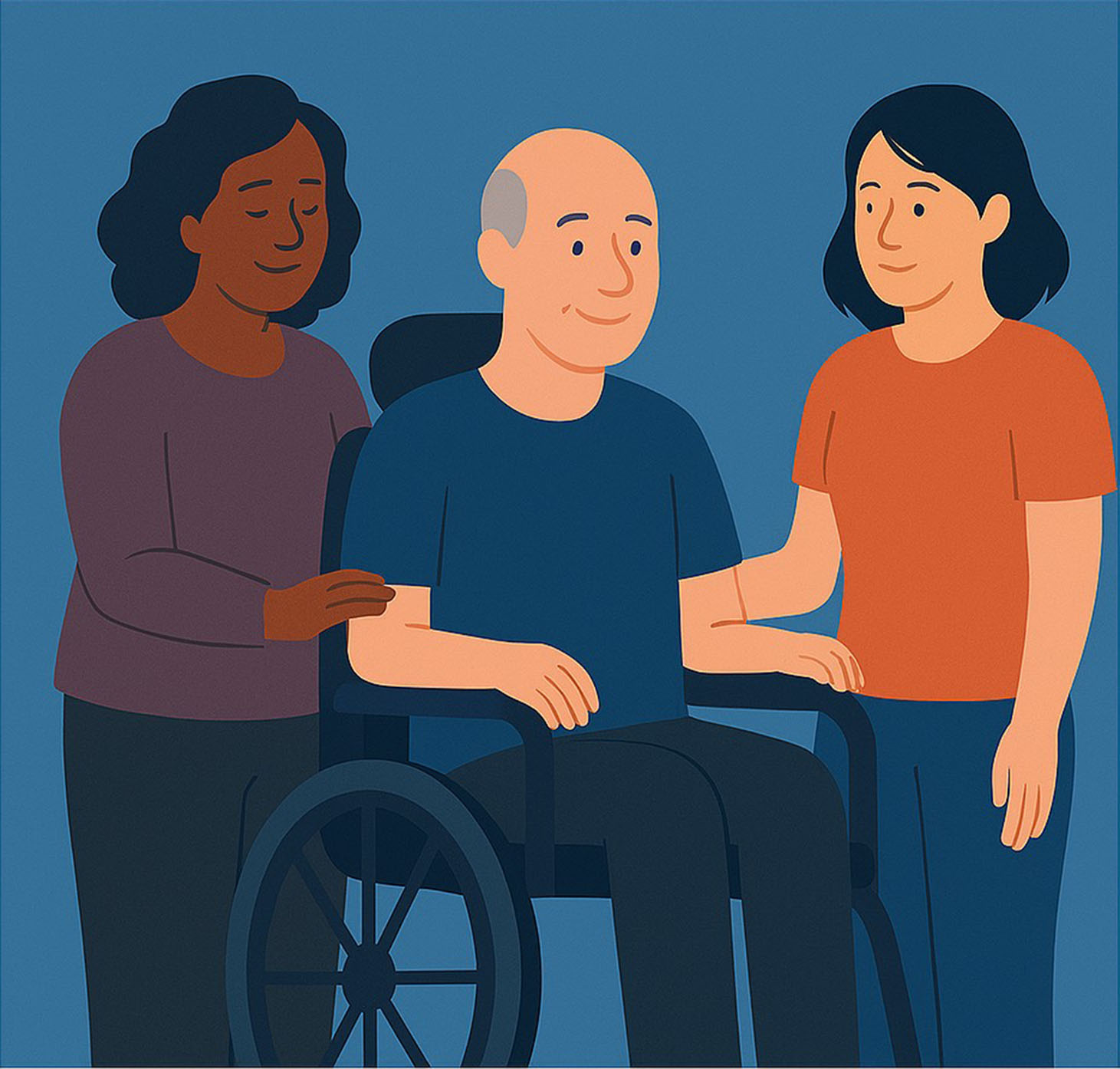
Whether someone uses a wheelchair, assistive technology, home care assistance, or transportation support, they are no less independent than anyone else. The key is having the freedom to direct your own life.
Independence Is Built on Choice
People with disabilities deserve to choose:
- Where they live
- How they spend their day
- Who supports them
- Which goals they wish to pursue
- Which services fit their lifestyle
For some, that might mean living in their own apartment with occasional support. For others, it may mean participating in community programs, using assistive tech at home, or shaping their care through self-direction.
There is no “right” way to be independent.
Support Is a Pathway to Freedom
Support services are often misunderstood. People may assume that needing help means losing independence, when in reality, the opposite is true.
Supports—like those offered at RCIL—empower people to:
- Manage their homes
- Access their communities
- Build daily living skills
- Set routines and goals
- Make informed decisions
- Take control over their care and life direction
Support does not take away independence. It unlocks it.
Independence Looks Different for Everyone
Here are a few examples of what independence might look like beyond stereotypes:
- A young adult using assistive technology to manage college assignments
- A person with a physical disability directing their own home care team
- Someone with an invisible disability setting boundaries and building routines
- An older adult participating in community programs to stay engaged and active
- A teen learning essential life skills through one of RCIL’s programs
Every journey is unique—and every version is valid.
The Power of Community in Independent Living
Independence doesn’t happen in isolation; it thrives in communities that are:
- Accessible
- Inclusive
- Welcoming
- Supportive
- Free from barriers and discrimination
At RCIL, we work every day to build that kind of community—one where people with disabilities can fully participate, advocate for their rights, and live with autonomy and confidence.
Redefining Independence Together
It’s time to move beyond outdated stereotypes and recognize the truth.
Independence is not about doing everything alone. It’s about having the power to live your life the way you choose.
Through advocacy, peer support, self-direction, and access to the right services, RCIL helps individuals build the life they want—on their own terms, with the supports they choose.
Because real independence isn’t a one‑size‑fits‑all idea. It’s a personal journey—and everyone deserves the opportunity to define it for themselves.